It’s Time for an Update 2026
At the beginning of 2020, I had every intention of keeping this website fresh and regularly updated. We all know what happened next. Somehow, six years have passed. In many ways—thank goodness.
What hasn’t changed is my passion for comprehensive, evidence-based women’s health. What has changed is the depth of perspective that comes with practicing through seasons—both professionally and personally.
One of the greatest lessons I’ve learned is this: we are not stagnant beings. Women move through seasons. Our hormones shift. Our metabolism changes. Our priorities evolve. The care we need at 32 is not the same care we need at 52. True health care must adapt as we do.
Menopause: From “Wild West” to Mainstream Conversation
Menopause has been a central focus of my career for over 20 years. For much of that time, it felt like swimming upstream—especially in the aftermath of the Women’s Health Initiative (WHI). The fear and confusion that followed dramatically changed how hormone therapy was viewed and prescribed.
Today, we have clearer data and better context.
Current research and major medical societies now recognize that:
Hormone therapy is safe and effective for many healthy women under age 60 or within 10 years of menopause onset.
Risks differ significantly based on age, timing, formulation, and route of administration.
Untreated vasomotor symptoms, sleep disruption, and genitourinary syndrome of menopause meaningfully affect quality of life and long-term health.
Estrogen has protective effects on bone density and may reduce fracture risk when appropriately used.
Cardiovascular risk appears lower when therapy is initiated in early menopause rather than years later (the “timing hypothesis”).
We are finally having nuanced, evidence-based conversations instead of fear-based ones.
I am especially encouraged by the number of medical experts—many of them women—who have brought perimenopause and menopause into public discussion. I no longer feel like I’m practicing in the Wild West alone. The approach I have taken for two decades—individualized, informed, physiology-based care—is now becoming more mainstream.
We won’t always agree. There will continue to be differing opinions. But we are talking. And that matters.
A New Season: Rethinking GLP‑1 Medications in Women’s Health
Another area where my thinking has evolved is the use of GLP‑1 medications.
After practicing through the phen/fen era, I was understandably cautious. I did not want to see another weight-loss fad cause harm or disappointment.
But science has progressed.
GLP‑1 receptor agonists (such as semaglutide and tirzepatide) are not simply appetite suppressants. They:
Improve insulin sensitivity
Reduce visceral adiposity (fat)
Lower inflammation markers
Improve cardiometabolic risk profiles
Demonstrate meaningful reductions in cardiovascular events in high-risk populations
In perimenopause and menopause—when insulin resistance, visceral fat accumulation, and metabolic dysfunction often accelerate—these medications can play a legitimate role.
As Dr. Rocio Salas‑Whalen has said, this is about improving metabolic health—not just lowering a number on the scale.
That distinction matters.
Ethical, Measured, Data-Driven Use
To support responsible prescribing, I have invested in a InBody body composition analysis technology in my office.
Why? Because weight alone is a poor marker of health.
InBody scanning allows us to evaluate:
Lean body mass
Skeletal muscle mass
Visceral fat levels
Total body fat percentage
Segmental muscle distribution
This allows us to:
Protect muscle while reducing excess adiposity (fat)
Avoid under-fueling or over-restricting
Track true metabolic improvement
Use GLP‑1 medications appropriately and ethically for patients who truly need them
This is not about chasing thinness. It is about preserving strength, metabolic function, and long-term health as women age.
Health in Seasons
The longer I practice, the more convinced I am that women’s health requires adaptability. What worked in your 30s may not work in your 50s. What your body tolerated before may no longer serve you.
Our job is not to cling to old narratives—whether about hormones, metabolism, or aging. Our job is to:
Stay informed
Stay curious
Evolve with the evidence
Individualize care
I am grateful to still be in this work—to see it changing, improving, and becoming more aligned with the lived experience of women.
If you are in a new season of life and feel like your body is changing in ways that don’t make sense, you are not alone. And you are not “crazy.”
You are evolving.
And your care should evolve with you.
Book Synopsis
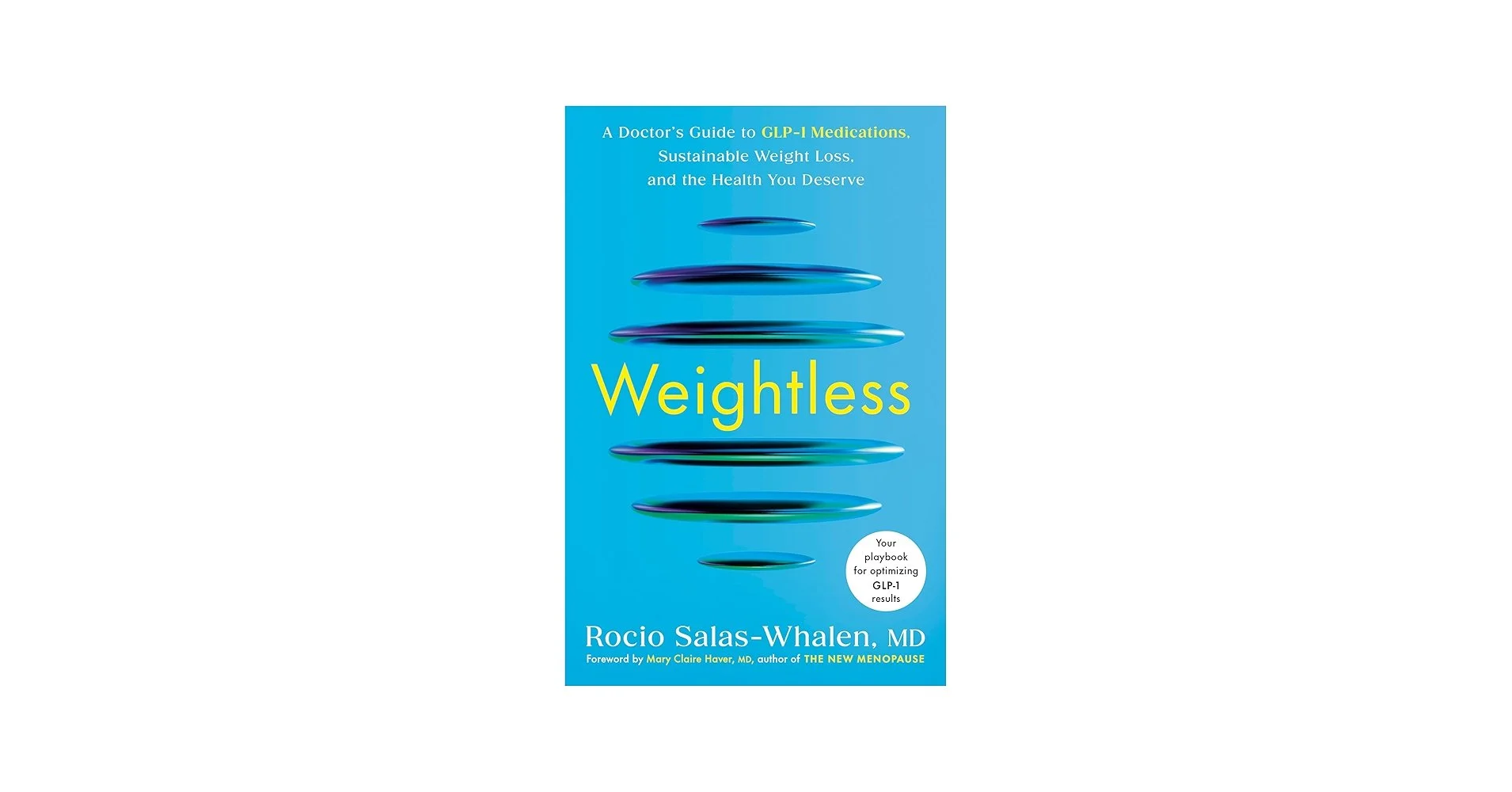
Weightless by Rocío Salas-Whalen, MD
Weightless is a practical, science-based guide to understanding weight gain and obesity as medical conditions, not personal failures. Dr. Rocío Salas-Whalen, an endocrinologist and obesity specialist, explains how hormones, metabolism, genetics, and brain chemistry influence weight—and why “eat less and move more” is often not enough.
Main Message
Weight regulation is complex and biologically driven. Long-term weight management requires addressing the underlying medical factors, not just willpower.
Key Points from the Book
Obesity is a chronic, treatable disease influenced by hormones, insulin resistance, inflammation, stress, sleep, and genetics
The brain actively defends higher weight through hunger and metabolic adaptation
Dieting alone often slows metabolism and increases hunger hormones
Sustainable weight loss may require a combination of nutrition changes, strength training, sleep optimization, stress reduction, medications, and sometimes procedures
FDA-approved weight loss medications and newer GLP-1–based treatments can help regulate appetite and metabolic pathways
The goal is improved metabolic health—not just a lower number on the scale
Tone and Approach
The book is empowering and non-judgmental. It helps readers understand that difficulty losing weight is not a personal weakness but often a biological response.
Who May Benefit from Reading This Book?
Patients who:
Struggle with repeated dieting and regain
Have insulin resistance, PCOS, prediabetes, or metabolic syndrome
Feel frustrated or ashamed about weight
Want to better understand medical options for weight management
Overall Takeaway
Weightless reframes weight management as a medical journey rooted in science, self-compassion, and individualized care.
If you would like to discuss how these concepts apply to your personal health goals, we can review options together.
inBody Composition
Understanding Your InBody 580 Scan Results
The InBody 580 scan gives you a detailed look at your body composition. Here’s what the main numbers mean:
1. Weight:
Your total body weight.
2. Skeletal Muscle Mass:
The amount of muscle attached to your bones. More muscle can mean better strength and metabolism.
3. Body Fat Mass:
The total amount of fat in your body. This helps show if you have a healthy amount of body fat.
4. Percent Body Fat:
The percentage of your body that is made up of fat. Healthy ranges are different for everyone, but generally, women should aim for 18–28%.
5. Body Water:
Shows how much water is in your body. Good hydration is important for health.
6. Segmental Analysis:
Breaks down muscle and fat in different parts of your body (arms, legs, trunk). This helps see if your muscle and fat are balanced.
7. Basal Metabolic Rate (BMR):
The number of calories your body burns at rest. This helps guide your nutrition and activity needs.
What Do These Results Mean?
Healthy muscle and fat levels support overall health, energy, and metabolism.
Tracking changes over time can help you see progress with exercise, nutrition, or lifestyle changes.
No single number is perfect—focus on trends and overall health, not just one result.
Tone and Approach
The InBody Score is a single number that gives you an overall summary of your body composition based on your InBody scan results. It is designed to help you quickly understand your general body composition status and track changes over time.
What does the InBody Score mean?
The score is calculated using your muscle mass, body fat mass, and body water balance.
A higher score generally means you have a healthy balance of muscle, fat, and water.
A lower score may indicate higher body fat, lower muscle mass, or an imbalance in body water.
How to use the InBody Score:
Track your progress: Use the score to monitor changes as you adjust your diet, exercise, or lifestyle.
Set goals: Aim to improve your score by building muscle, reducing excess fat, and staying well-hydrated.
Remember: The score is just one part of your health picture. It’s important to look at all the details in your report and focus on overall well-being, not just the score.
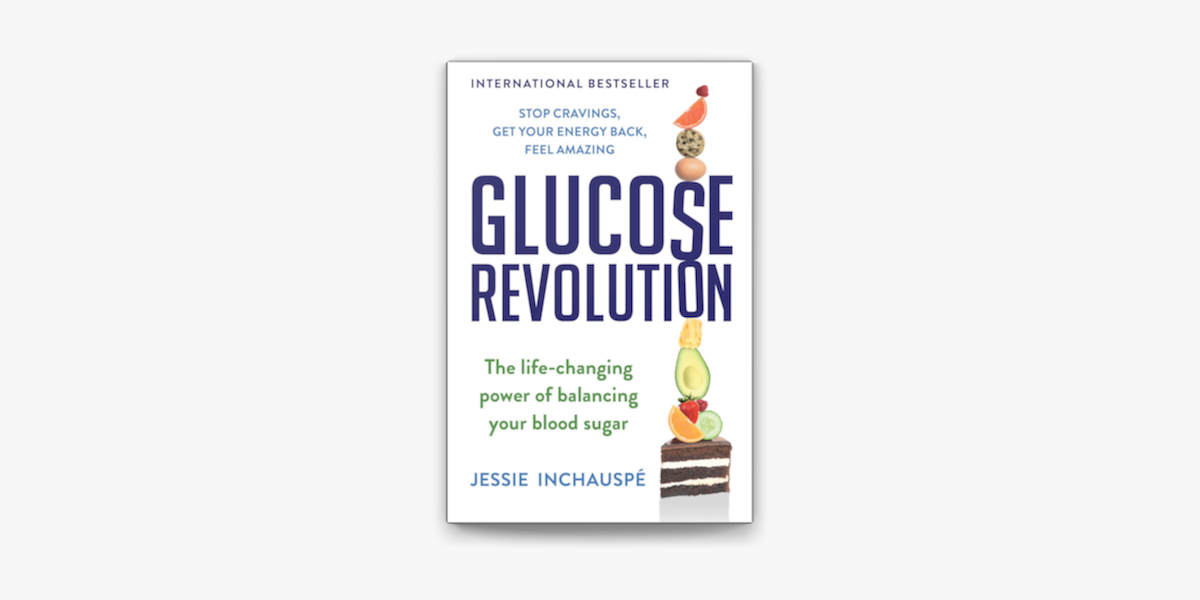
The Glucose Revolution
By Jessie Inchauspé
Overview:
The Glucose Revolution book explains how blood sugar (glucose) spikes and crashes affect energy, mood, weight, and long-term health. Jessie Inchauspé, a biochemist, offers practical strategies to help stabilize glucose levels for better well-being.
Key Points:
Glucose Spikes: Rapid increases in blood sugar after eating can lead to fatigue, cravings, weight gain, and increased risk of chronic diseases.
Glucose Stability: Keeping blood sugar steady helps with energy, mood, weight management, and metabolic health.
Simple Strategies:
Eat foods in the right order: Start with fiber (vegetables), then protein and fats, and finish with starches and sugars.
Add vinegar: A tablespoon of vinegar before meals can help reduce glucose spikes.
Move after eating: Light activity (like a walk) after meals helps lower blood sugar.
Pair carbs with protein/fat: This slows down glucose absorption.
Avoid “naked carbs”: Don’t eat carbohydrates alone; always pair with fiber, protein, or fat.
Benefits:
Implementing these habits can help reduce cravings, improve energy, support weight loss, and lower the risk of diabetes and other metabolic conditions.
Continuous Glucose Monitoring (CGM)
What is CGM?
A CGM device tracks your blood sugar levels in real time throughout the day and night. It provides immediate feedback on how food, activity, and stress affect your glucose.
Benefits:
See how your body responds to different foods and activities.
Identify patterns and make informed lifestyle choices.
Empower yourself to prevent glucose spikes and crashes.
About:
Stelo offers a user-friendly CGM system designed for people without diabetes who want to optimize their metabolic health.
Features:
Easy-to-use sensor and app
Real-time glucose tracking
Personalized insights and recommendations
How it works:
Apply the sensor (usually on the upper arm)
Connect to the Stelo app to view your glucose trends
Use the data to make informed choices about food and activity
Website: stelo.com
About:
Hello Lingo is a digital platform that provides education, coaching, and community support for people interested in glucose monitoring and metabolic health.
Features:
Educational resources on glucose and metabolic health
Personalized coaching and support
Community forums for sharing experiences and tips
How it works:
Sign up for an account
Access resources and connect with coaches
Join a supportive community focused on healthy glucose habits
Website: hellolingo.com